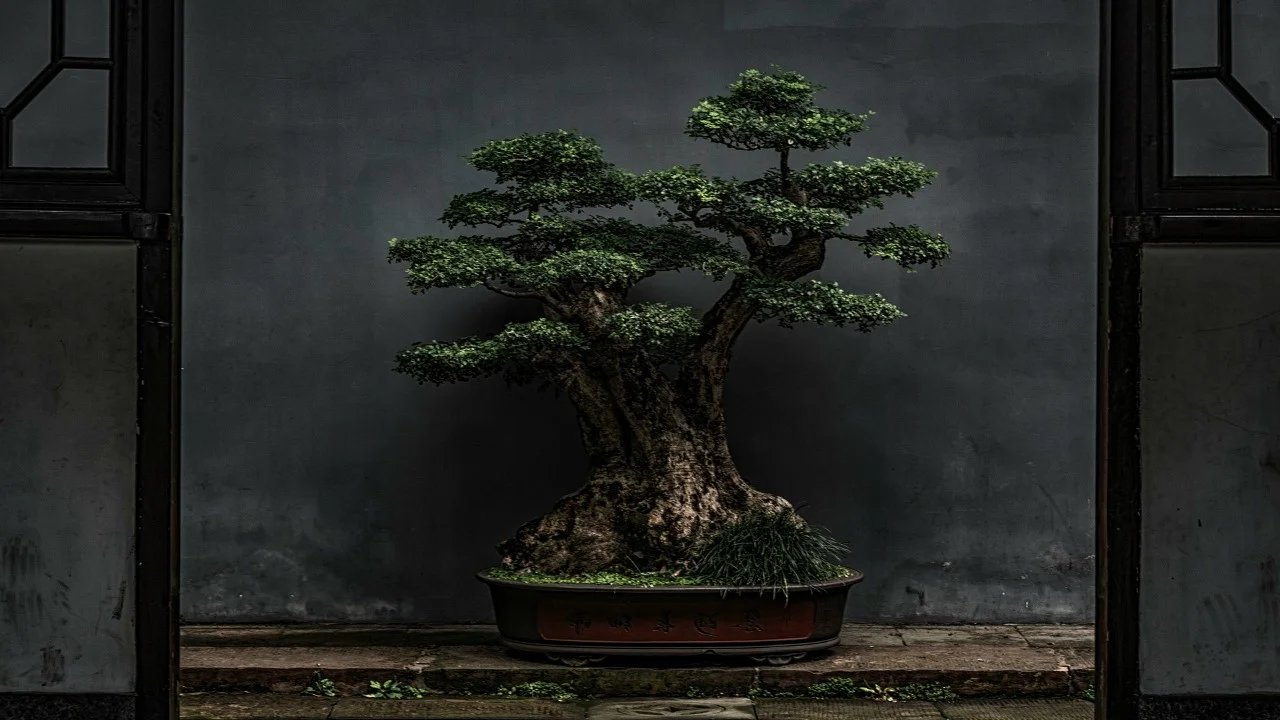
In general, when carrying out any task, setting a goal is key to helping you navigate the process and know which direction to take. In design, there are several ways to achieve this goal. No one can tell you what good design is. However, in this article we will try to understand what good design might aspire to, as this could be the key to achieving it.
I see design as a process whose outcome is closely connected to you, the person bringing it together. You bring all your previous experience and knowledge to the task. If you can combine that experience with a connection to the work in the moment, the result is likely to be positive.
Setting goals
Setting goals is fundamental to navigating a process while knowing which direction to take. In design, there are many ways to reach a goal. We live in a time when the internet offers abundant inspiration: thousands of trends, ideas and visual references. Understanding the harmony between the elements you want to bring together is certainly important. Although I have never been particularly fond of theory, that does not mean I consider it unnecessary. Studying colour theory, typography and structure will help you establish hierarchies that lead to meaningful design.
Once you feel confident in your preparation, it is important to accept that you will make mistakes. I would not recommend starting a project expecting everything to turn out exactly as you originally planned, because it will not. In my experience, when it comes to the creative side of a project, the initial idea is the fuel needed to begin, but it will probably change as you progress. That means making mistakes or encountering dead ends. Assuming that your early vision will literally become the final result can quickly lead to frustration. Adapting to your own flow of ideas and creativity matters.
Creativity as an accident
Creativity is not something you can plan. An accident can be understood as something that happens through a chain of causes. Perhaps all you need is to give whatever sparks your creativity a chance. A playful state of mind is the perfect setting for this. Why play? Above all, playing helps us relax. Creativity cannot thrive in a rigid state of mind. The pursuit of a successful creative outcome is also much more enjoyable when approached with a lighter touch.
While you are in that playful state, let your actions lead. If you are designing a brand, for example, simply play freely with shapes and elements, without thinking about all the theory, until you reach a result that feels right.
In my experience, finding something that feels right is a significant achievement. In any activity, feeling can be far more valuable than thinking. Your intuition is your best ally. This does not mean setting theory aside once you reach this point. As mentioned earlier, theory and knowledge are important elements that help shape the development of your idea.
At any point in this process, we may realise that something we thought was on track is not going to work. This is the hardest part of the creative process: feeling that you are approaching a goal, only to discover you have laid another brick in the wall. What has helped me deal with these situations is understanding that all this experience accumulates and contributes to what comes next. We are never truly starting from scratch; we are simply travelling along the path.
Alongside playing and letting ideas flow through you, inspiration is another resource to consider in this creative process.
Inspiration as a tool
Taking inspiration and copying are two different things. Every creative mind needs inspiration. I recommend looking for it both in the most literal places and in the most disconnected, unexpected and random ones. Exploring design trends and ideas can work perfectly, as can setting aside what you think will work and looking at things that make you feel good, while always keeping your goal in mind.
Inspiration should help you see that there are more ways to achieve a goal than you imagined. Of course, not every path will take you where you want to go, but exploring them can help you better understand your project's needs. You can follow each path as far as you like. It helps to remember that every process has layers, and discovering them reveals elements you can later combine as you build your own final path.
Layers of love
In my experience, every aspect of life has its own layers. In this context, freedom means being able to explore all the layers of a subject until you almost lose interest.
Sometimes you begin to feel friction between those layers and your attention. It may sound as though I want to make this process seem magical, but believe me when I say that it is always darkest before dawn. Many times in life I have felt worse before things improved, and the search for inspiration can be much the same.
When you think this exploration has lost its purpose, you may be very close to reaching your destination. Understanding this can help you accept the process, or even fall in love with it. Always try to go a little further to work through those difficult stages and beyond them. At worst, you will sleep peacefully knowing you followed through to the end. Over time, accumulated experience will help you judge when exploring these layers is unnecessary and when it is time to take the next step.
Final thoughts
The healthiest way to engage in any creative process is to enjoy it. This will not always be easy, but I strongly recommend creating things you like from the outset.
Although everyone may appreciate art and design differently, certain principles will always bring you closer to a coherent result. Understanding your goal and freely exploring the gap between it and your current position will set you on course for a good outcome, and perhaps even good design...
Thank you for your time and attention. If you think we could put this theory into practice together, let's talk. This is how I do it. Feel free to share this article if you think it could help someone. Have a great day!